Kangra!
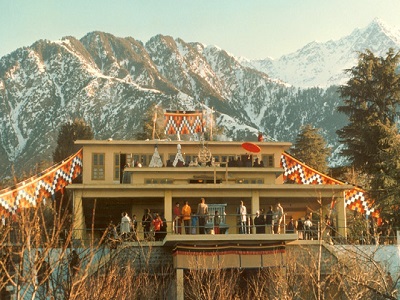
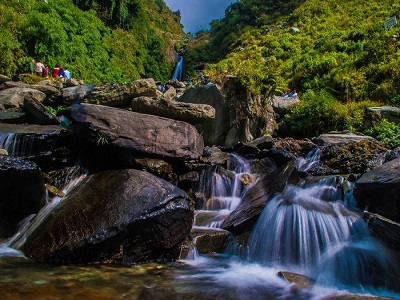
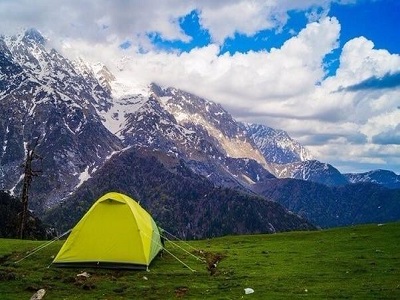
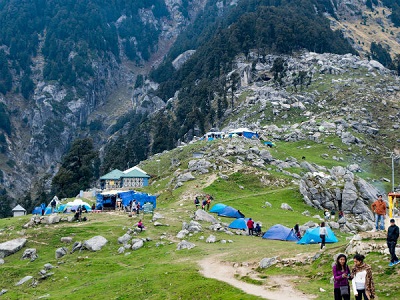
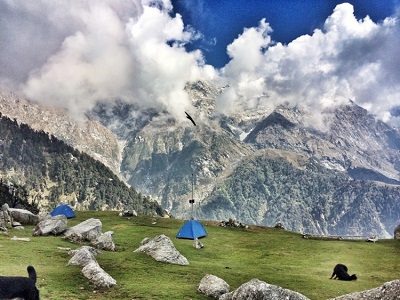
Kangra Valley is one among the most picturesque valleys in the lower Himalayan ranges. This beautiful valley is sheltered by the Dhauladhar range, surrounded by greenery and luxuriant nature all around. It is also an ideal destination to be explored for photography enthusiasts. There are many Hindu temples around the valley as Chamunda Devi, Bajreshwari Devi, Jwala Devi, and Baijnath Shiv temples. Kangra valley’s history dates back to the Vedic era of more than 3500 years. The exquisitely designed shawls and the miniature paintings of Kangra region are in high demand and internationally appreciated. This is an excellent tourist destination too, and travelers from all across the country, as well as a large number of international tourists, come to this place to enjoy its natural beauty and culture.
The Kangra Fort is occupying the lower valley of the Beas and its tributaries. This mighty fort traces its origins to the ancient Trigarta Kingdom, which is mentioned in the Mahabharata epic. "You must pass through the gate leg first. Never lead with your head because if there is an enemy on the other side, you might lose your head". This tip by Tikaraj Aishwarya Katoch (present scion of the Katoch dynasty) indicates at the heavy security in the fort maintained by the kings to protect the unimaginable treasures inside. Though the tales of these treasures are nothing but stories in this ruined fort now, there was a time when the sanctum sanctorum of the Kangra Fort held unimaginable riches which were offered to the large idol in the Brijeshwari temple inside the fort. Perhaps because of these treasures, this colossal fort has been attacked many times. Although it is completely in ruins now, it was a structure of architectural marvel once. The Kangra fort in itself is a symbol of elegance and royalty
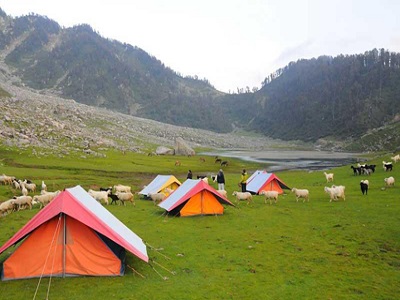
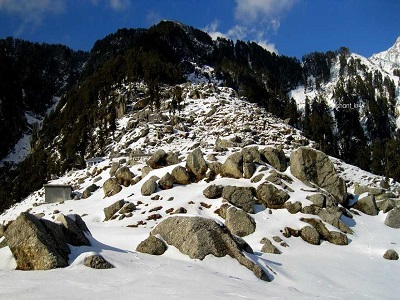
Baijnath Temple is one of the most popular temples in Himachal Pradesh, and here, Lord Shiva is worshipped as the 'God of Healing'. Baijnath or Vaidyanath is an avatar of the great Lord Shiva, and in this avatar, the great lord rids his devotees of all miseries and pain. As a result, this temple holds ultimate significance to all Lord Shiva devotees and is considered to be extremely sacred. In fact, the water of this temple is believed to be of medicinal value and has the potential to cure several illnesses and diseases. Situated at a distance of only 16 kms from Palampur, this time-honoured temple is a place where one can attain sterling peace and untainted tranquillity in the gentle caress of god. It is one of the very few temples in India where both, Lord Shiva and Demon King Ravan are worshipped. According to the ancient scriptures of Hindu tradition, Lord Shiva established 12 jyotirlingas, which were pillars that emanated pure light and unencumbered power, across the country as a challenge to Lord Vishnu and Lord Brahma; and one of these 12 jyotirlingas rests inside the famous Baijnath Temple. The ancient but magnificent temple is set in the backdrop of the Dhauladhar Himalayan Range. The view of the peaks in the Himalayan Range covered in ghost grey mist as they pierce the sky is a feeling of both, marvel and satisfaction..
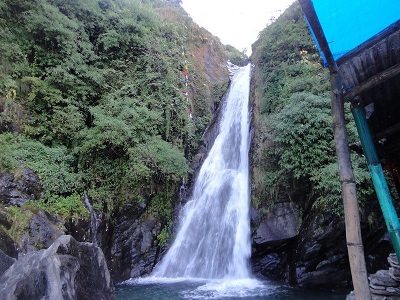
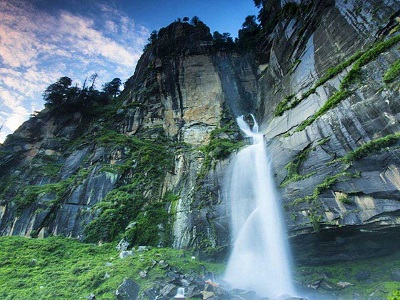
These are the famous temples in Himachal Pradesh which are said to have been made out of Sati’s charred breasts. Shree Nagarkot Devi Mandir like most temples in Himachal is dedicated to a Mother Goddess. The name means Vajra or the thunderbolt. There are two stories of the Goddess origin also associated with Vajra. Legend has to say like many other stories associated with other temples in Himachal that the Devas and Indra Dev went to Goddess Parvati to ask for help in slaying Kalikala demon. Parvati promised to help them in the right time. Goddess Sati according to another legend associated with the temples of Himachal also sacrificed herself and Shiva created Tandav throughout the universe. To stop that Lord Vishnu divided the body of Sati in 52 parts and the right breast fell here where the Brijeshwari temple is built thus promoting the place into a Shakti Peeth. According to the legends, the original temple was built by the Pandavas during the days of Mahabharata. The legends for the temples of Himachal go this way. The Pandavas dreamt of Devi Parvati and brought her there from the village of Nagarkot.
Masroor Rock Cut Temple is a popular archaeological site in India is around 32 km from Kangra on Nagrota-Surian Link Road. A major part of the famous rock cut temples are in ruins yet one can study the relics clearly. A group of 15 monolithic rock cut temples designed in Indo-Aryan style. The main shrines contain the stone idols of Rama-Laxman and Sita. It is claimed that all 15 temples are carved out of a single rock. According to the local myths, the Pandavas spent a long period of time here in this temple premise during their exile. Another story tells about the existence of an incomplete staircase which is found inside the temple. It is said that the staircase was constructed by the Pandavas to reach heaven. They took an oath to finish the construction work by the same day morning. Listening to this Indra, the king of the Gods got tensed as the stairs would make the way to reach heaven easily accessible. So he disguised himself in the form of a crow and crowed loudly before the early dawn. As a result the Pandavas, could not complete the staircase.